|
|
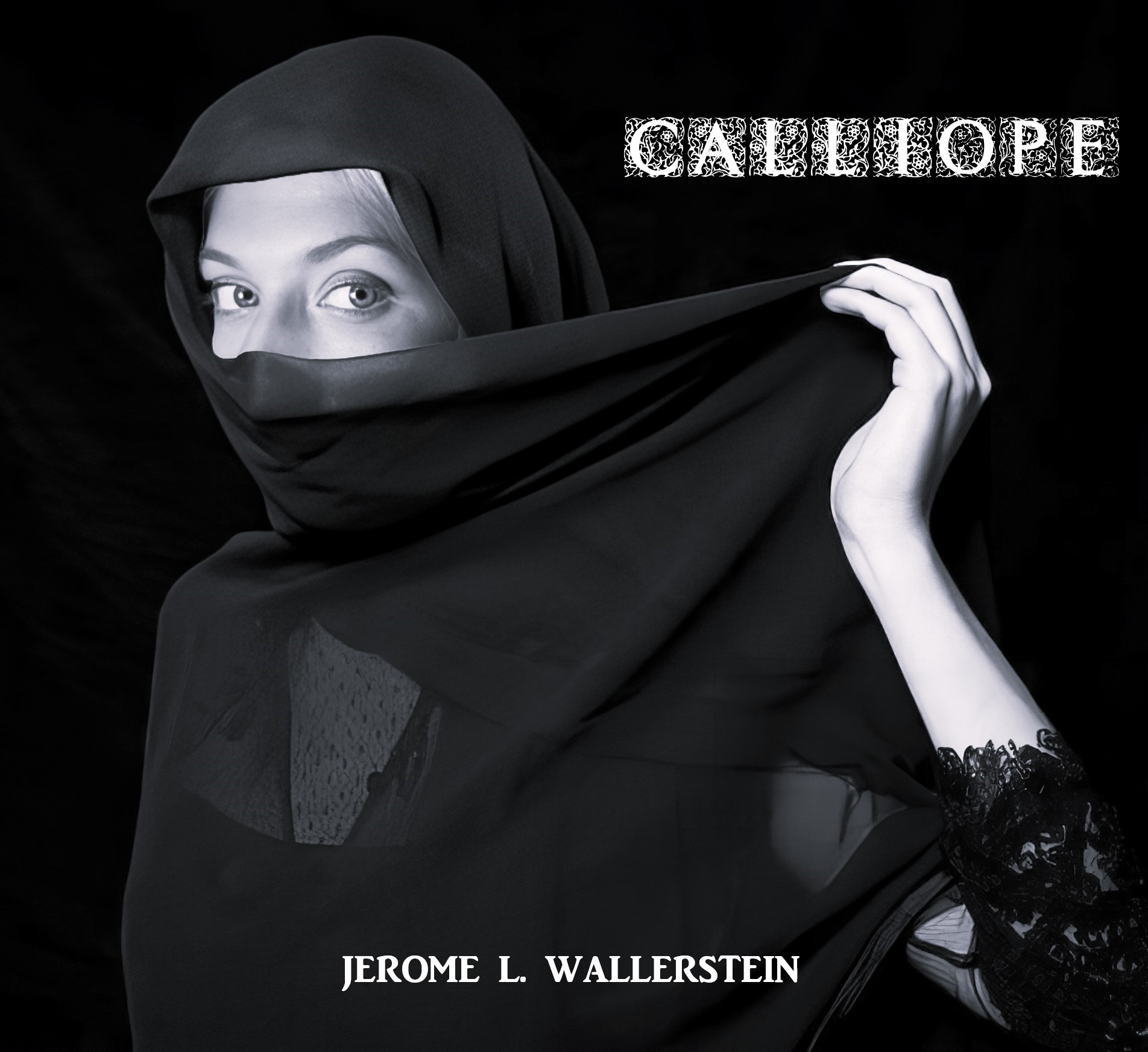
Calliope
|
|
An itinerant artist finds himself increasingly obssessed by a mysterious and elusive small-town ingenue. As he seeks information about her it becomes clear that she is a true enigma, with hearsay and gossip having replaced factual information. He makes the fateful decision to seek out and meet with her in person and, when his diligence at long last pays off and the truth is finally revealed, he is rewarded with nothing less than a profound and life-altering epiphany. The piece is a remodeled working of the closing scene of the theatrical play 'Sideshow', structured to serve as a stand alone screenplay. An ebook version is available from the author by clicking here, and a PDF version can be accessed by clicking here. Copyright and published in December 2025.
|
|
|
| |
|
|
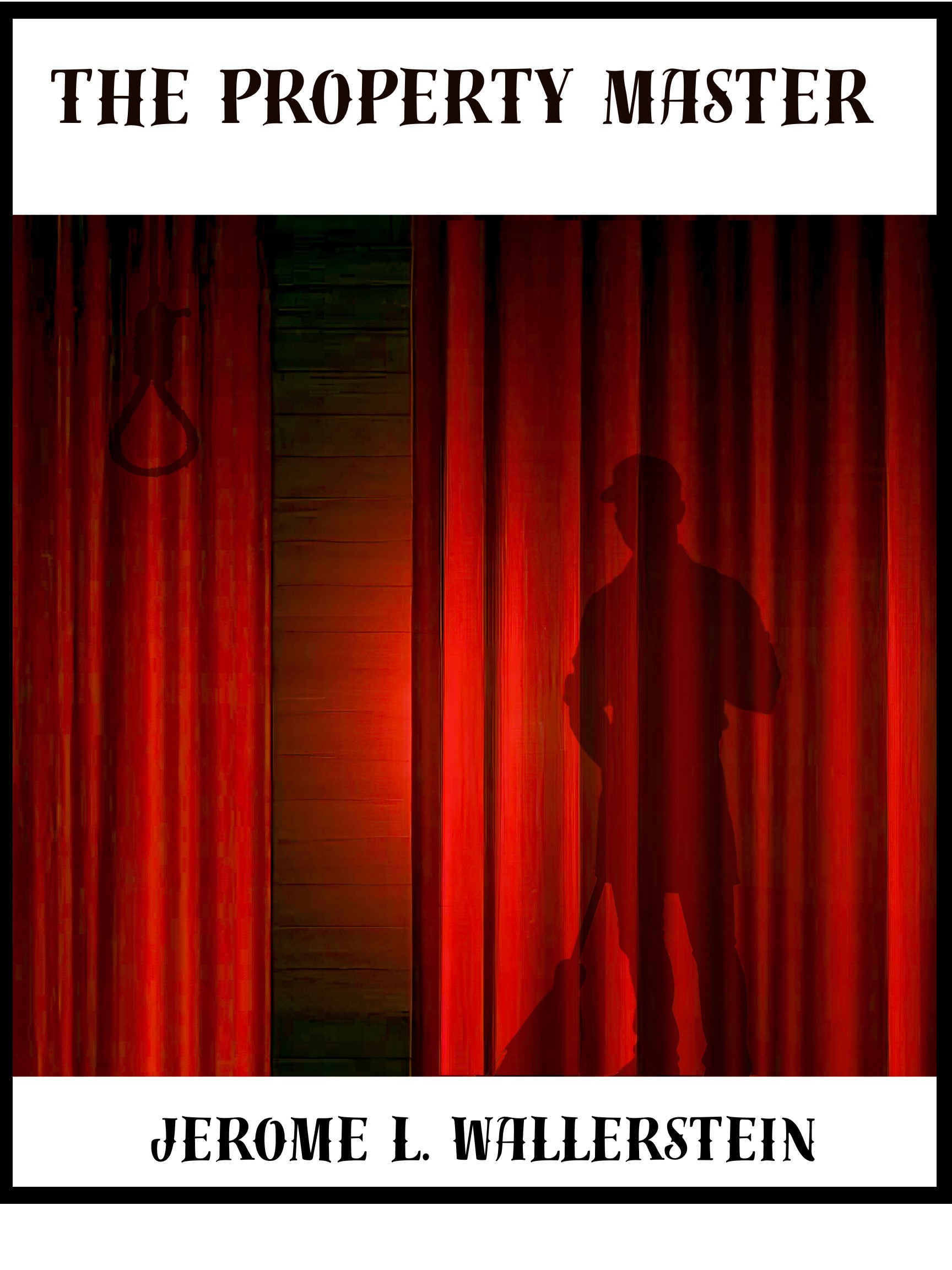
The Property Master
|
|
The suspicious suicide of a vaudeville theater owner sets the wheels in motion for a woman to contend with the maneuverings of an uncouth mobster, as well as the good intentions of a love-torn young man. The forces of greed, betrayal and power make for a gripping and surprising drama. An ebook version is available from the author by clicking here, and a PDF version can be accessed by clicking here. Copyright and published in April 2025.
|
|
|
|
This Late Hour
|
|
'This Late Hour' is a short piece that serves as a companion to the full length play 'The Property Manager', as well as a standalone presentation. An elderly and forlorn man reminisces about his erstwhile days as a laborer in a vaudeville theatre - hinting at grave and somber events that transpired, and a once-in-a-lifetime love that was lost as a consequence. An ebook version is available from the author by clicking here, and a PDF version can be accessed by clicking here. Copyright and published in April 2025.
|
|
|

|
Just A Few Quick Questions
|
|
Wallerstein drew upon his experience in executive management for this short comedic piece. During an initial job interview, a potential candidate is obsessively fixated on a subject that the staid and conservative management team is wholly unprepared to address. Wallerstein subsequently revised the piece as a screenplay and directed and produced a short film treatment in 2026. An ebook version is available from the author by clicking here, and a PDF version can be accessed by clicking here. The original piece was copyright and published in April 2025.
|
|
|
|
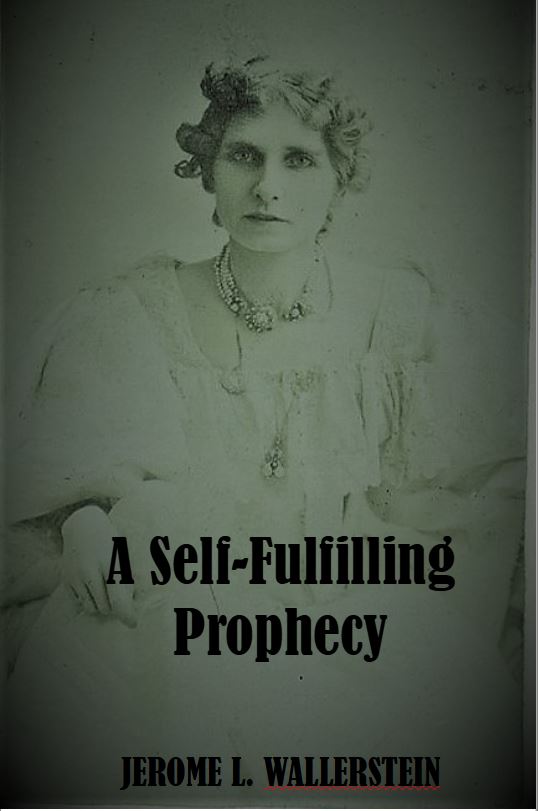
A Self-Fulfilling Prophecy
|
|
This screenplay is a dramatization of the bizarre and disturbing incidents in the life of the fraudulent stage mentalist Anna Eva Fay. From her troubling childhood through her final days, sinister and unsettling episodes shaped her infamous career, setting the stage upon which her dysfunctional relationships played themselves out (including that with her semi-oedipal son, who not only made his wife steal his mother's act, but went so far as to insist she take his mother's name as well!). A fascinating tale centered around actual events. As corruption supplants decency, we learn the ugly answer to the proverbial question 'what does it profit a man to gain the world and forfeit his soul?' An ebook version is available from the author by clicking here, and a PDF version can be accessed by clicking here. Copyright and published in February 2023.
|
|
|
|
Sideshow
|
|
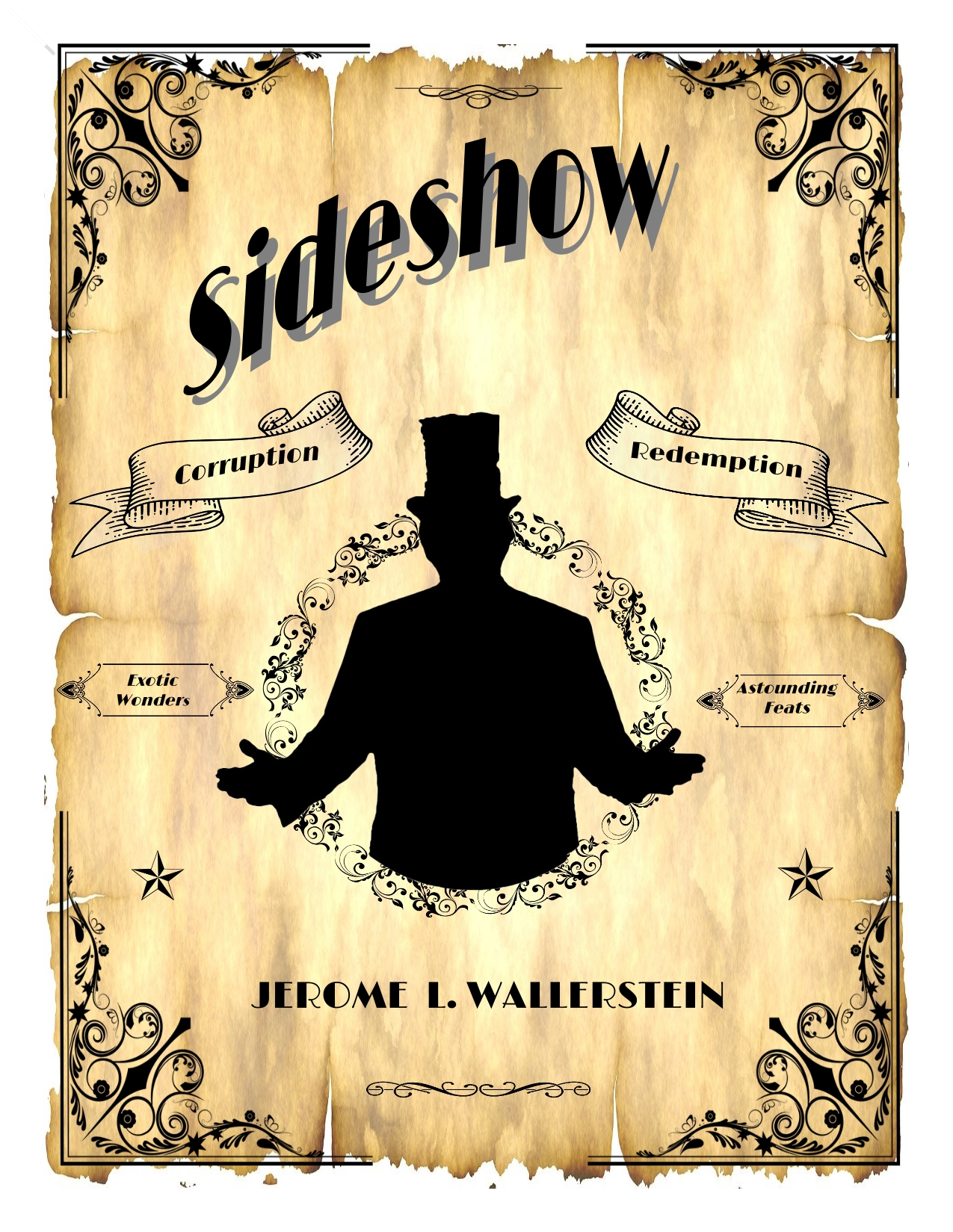
Wallerstein’s celebrated stage play combines multi-media with live theatrical performances in this intriguing, thought provoking drama. The period piece plays out within a traveling sideshow troupe in upstate New York circa 1867. When nefarious events occur and surprising revelations come to light, life’s nuanced emotions and formative epiphanies strike the eclectic members of the troupe, each of whom plays a part in the developments that unfold. An ebook version is available from the author by clicking here, and a PDF version can be accessed by clicking here. Copyright and published in February 2022.
|
|
|

|
Pax Vobiscum
|
|
A papal bull issued by Pope Innocent VIII authorized the Roman Catholic Church's Inquisition to spread into Germany. A man wrongly accused of heinous crimes sets the backdrop for this moving and compelling drama. The play explores how the inequities of society, the corruption and hypocrisy of the church, the frailties of the human psyche and the pervasive abuse of power turn men against one another. An ebook version is available from the author by clicking here, and a PDF version can be accessed by clicking here. Copyright and published in August 2005.
|
|
|
|
Nat Turner's Bloody Vengeance
|
|
While slavery was still very much an issue in America (the "land of the free"), Nat Turner led a bloody revolt against the white men who would keep him and his brethren enslaved. The struggle for freedom is examined with an eye on the underlying question "Is murder of those who oppress others a morally justifiable crime?" The audience gains the contemporanious perspective of a movement that fought to establish fundamental human and civil rights, regretably at the expense of men's lives. An ebook version is available from the author by clicking here, and a PDF version can be accessed by clicking here. Copyright and published in January 1993.
|
|
|
|
My Life as Public Enemy #1, As Told By John Dillinger
|
|
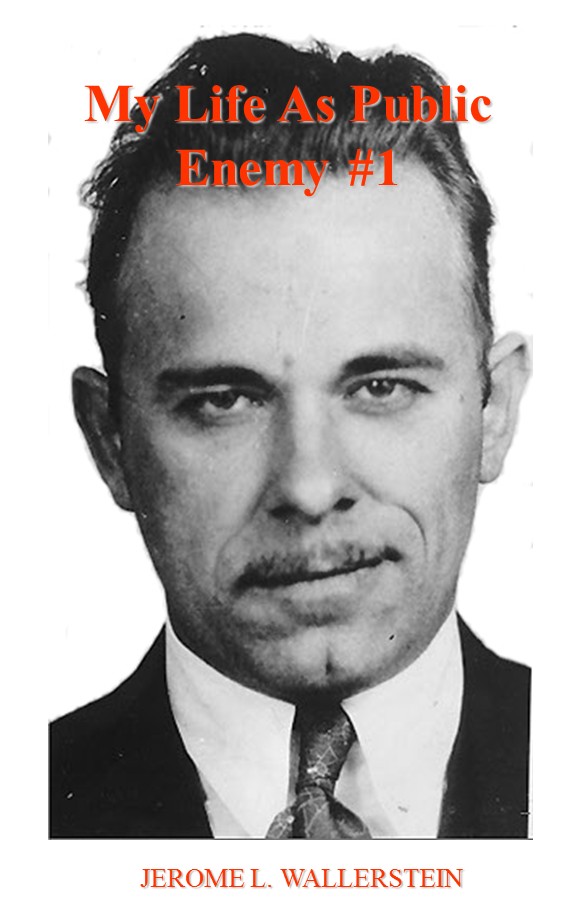
Rumor has it that the notorious 1930's era gangster was never really killed by the FBI, but rather escaped the famous ambush involving the "lady in red" and went on to live a long and happy life - ultimately settling down in East Lansing, Michigan. This is Dillinger's life story, as told by him personally, from the safe confines of his home as an old and still defiant man. An ebook version is available from the author by clicking here, and a PDF version can be accessed by clicking here. Copyright and published in April 1992.
|
|
|
|
An Evening Of Vaudeville, With Host Jerry Merrymaker
|
|
True Vaudeville was a sordid and unsophisticated affair, and the stories and lives of its attendants are here unmasked for the first time. An evening of true unsanitized Vaudeville - replete with offensive stereotypes and crude and racist humour - is presented for our politically correct modern audiences, with behind the scenes insight provided by the sketch actors who momentarily step out of character to share their situation. An ebook version is available from the author by clicking here, and a PDF version can be accessed by clicking here. Copyright and published in January 1992.
|
|
|

|
Divine Inspiration
|
|
The follow-up to 'Poetic Justice', again based on a true story, finds Zacharias Werner, the dishonest and unscrupulous rogue, back in Weimer in yet another guise - this time as a man of the cloth. 'Divine Inspiration' is a tour de force that takes swipes at organized religion in particular and western society in general. An ebook version is available from the author by clicking here, and a PDF version can be accessed by clicking here. Copyright and published in November 1991.
|
|
|
|
Poetic Justice
|
|
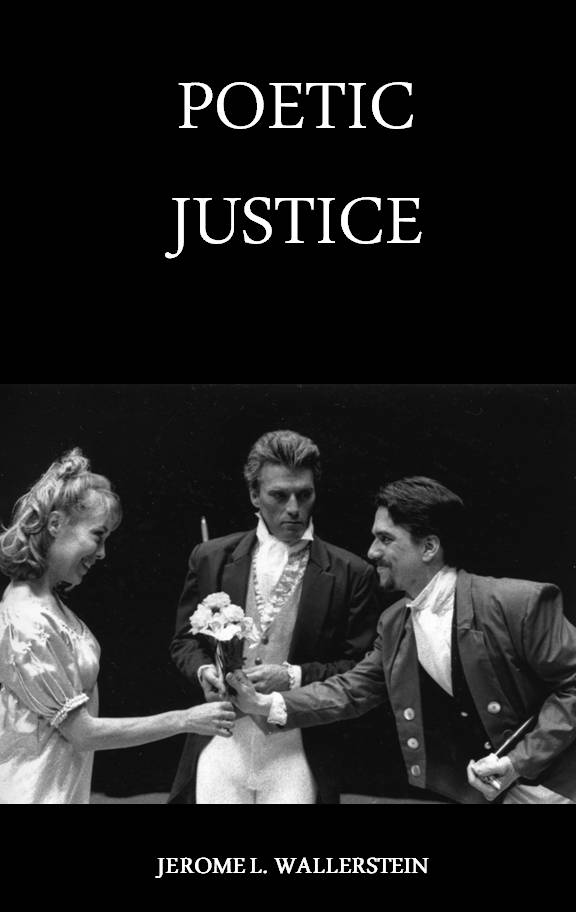
The true story of an unscrupulous rogue who schemed his way into a position of power and influence in the Court of Weimar, and worked to steal the heart of a young woman whom had developed a relationship with the venerable J.W. Goethe. The ultimate resolution is truly poetic justice for all. An ebook version is available from the author by clicking here, and a PDF version can be accessed by clicking here. Copyright and published in November 1990.
|
|
|
|
An Angel's Fall From Grace
|
|
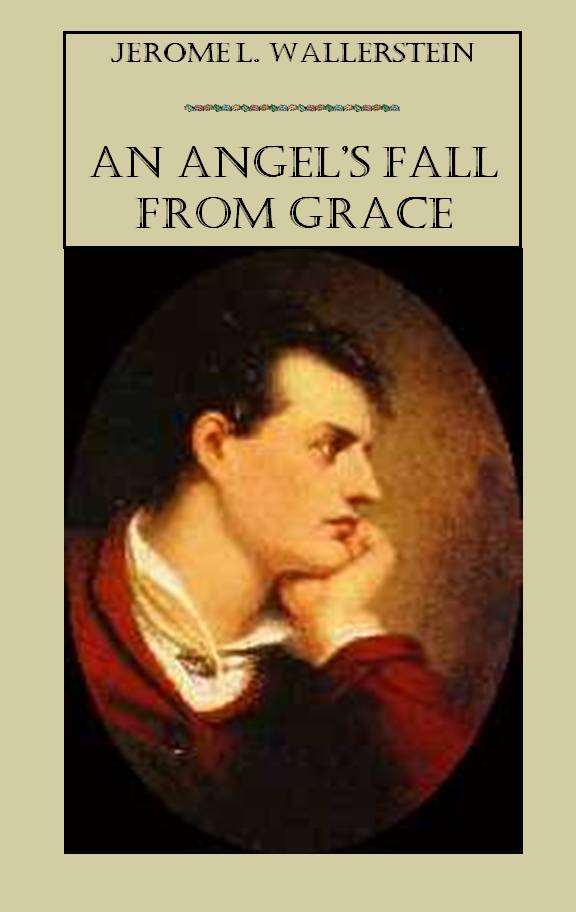
The tragic life and times of Britain's brilliant yet tortured man of letters. This biography takes an unabashed look at Byron's perverted lifestyle as well as the far-reaching influence he had on poetry of the romantic period. An ebook version is available from the author by clicking here, and a PDF version can be accessed by clicking here. Copyright and published in December 1987.
|
|
|
|
A Love Untainted
|
|
A romantic drama written in the style of classic German theatre from the 'sturm und drang' ('storm and stress') literary movement, heralded and championed by J. W. Goethe, Friederich Schiller and a handful of other playwrights. An ebook version is available from the author by clicking here, and a PDF version can be accessed by clicking here. Copyright and published in August 1987.
|
|
|
|
Of Twilight And Daybreak
|
|
As the notorious and controversial philosopher lies incapacitated from syphilis induced dementia, his equally brilliant and fascinating sister perversely seeks her own place in history by modifying Nietzsche's works and manipulating his reputation. Through her eyes we view the life of her celebrated brother, and through the eyes of a literary agent we learn of the sister's intrigue and troubles. An ebook version is available from the author by clicking here, and a PDF version can be accessed by clicking here. Copyright and published in February 1987.
|
|
|

|
Through Storm and Stress
|
|
A biography of the remarkable figure who was perhaps history's last true "renaissance man". The compelling and amazing life of J. W. Goethe is explored in flashback reminisces as the great man lay on his deathbed, surrounded by sycophants seeking an inheritance, and opponents greedily anticipating his rapid demise. An ebook version is available from the author by clicking here, and a PDF version can be accessed by clicking here. Copyright and published in December 1985.
|
|

|
Vacation at the Club Health
|
|
Wallerstein's first theatrical play, originally attributed to the fictional author of his early novel, "Brauderick; A Collection". The play was written about the fictional author's brief stay in a sanitarium and gives stark insight into the generally sterile environment of our centers for mental rehabilitation. An ebook version is available from the author by clicking here, and a PDF version can be accessed by clicking here. Copyright and published in June 1985.
|